AI Eyes
Choose your AI Eye.
Examine AI output and its responsible use.
8 characters ready · 120 exercises

Plausible AI claims vs what the supplied evidence supports
Hal’s Fact Fabrications
Hallucination Hal
Adds believable details to AI output that the supplied sources do not support.
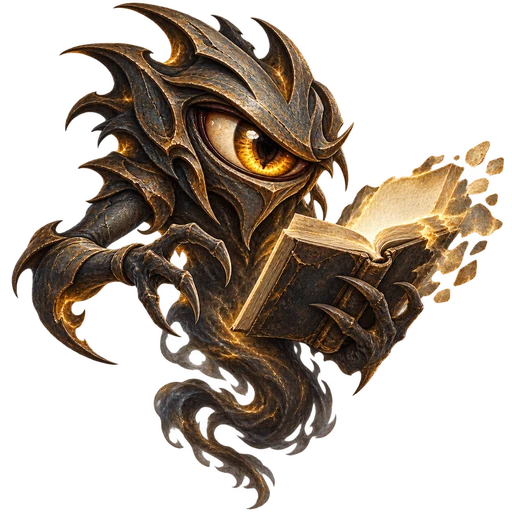
A source existing vs the source supporting the claim
The Citation Mirage’s Source Illusion
Citation Mirage
Makes a citation look like support even when the source is missing, misquoted or about something else.

Skewed AI examples and unequal treatment vs relevant differences
Iris’s Bias Blindfold
Bias Iris
Gives people or groups different treatment without a reason in the supplied evidence.
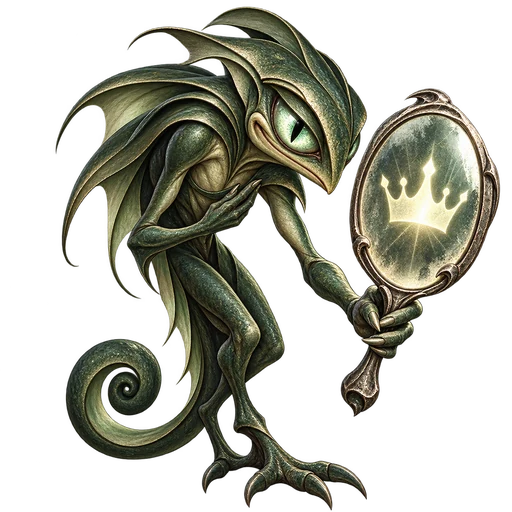
Agreeing to please vs agreement and correction based on evidence
Cy’s Flattery Trap
Sycophant Cy
Agrees or gives praise to please the user instead of following the evidence.

Filling gaps by guessing vs asking for missing context
The Context Cyclops’s Guessing Game
Context Cyclops
Guesses missing details or ignores instructions instead of using the context given.
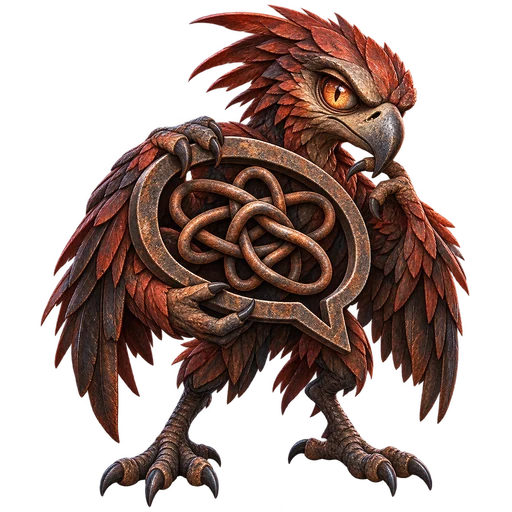
Vague requests vs prompts with a clear goal, audience, format and constraints
Polly’s Prompt Fog
Prompt Polly
Leaves requests unclear, so the AI has to guess the goal, reader, format or limits.
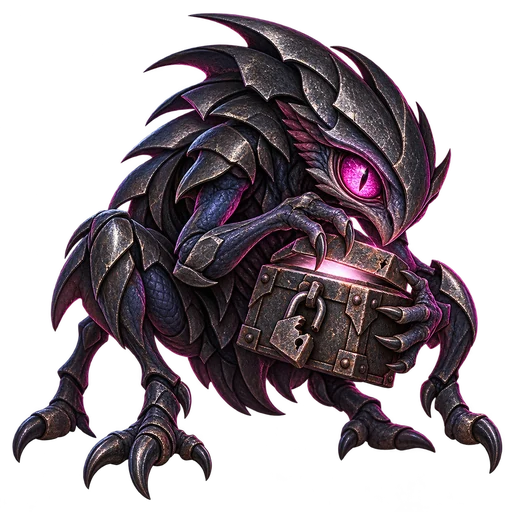
Oversharing with AI tools vs minimizing, redacting and following the supplied policy
Privacy Pry’s Oversharing Trap
Privacy Pry
Shares more information with an AI tool than the task needs or the rules allow.

Unreviewed delegation vs owned, verified and permitted AI assistance
Otto’s Autopilot Takeover
Autopilot Otto
Hands work to AI, skips checking it and ignores the rules for using it.
Every scenario supplies its own documents; no live AI tools are used. These lessons teach checking claims against evidence, not guessing whether text was written by AI.